
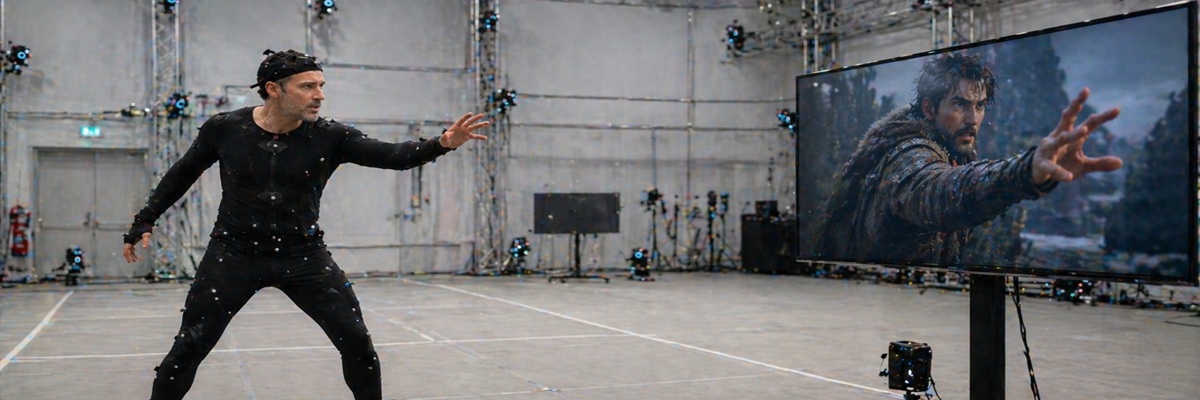
Troy Baker has spent years as one of the most recognizable voices in modern video games. From The Last of Us to Indiana Jones, his performances have helped define some of the industry’s most narrative-driven titles. Now, his interest in stepping into game development marks a change that goes beyond a single career move.
It reflects a broader shift. Voice actors are no longer confined to performance alone. As games become more complex and story-focused, some actors are looking for ways to influence the creative process from the inside.
From Voice Performance to Creative Control
For many voice actors, the role has traditionally been clear. They step into a project, deliver a performance, and move on once recording is complete. Baker’s recent comments suggest a different direction, one where actors are more involved in shaping the work itself.
His interest in development is rooted in a desire to contribute beyond the booth. Instead of interpreting characters created by others, he has expressed interest in being part of the process that defines those characters from the beginning. That includes story structure, tone, and overall direction.
This shift highlights a growing awareness among actors. Being closely connected to a character does not always translate into influence over how that character evolves. Moving into development offers a way to close that gap.
It also reflects confidence built over years of experience. Actors who have worked on major titles understand how stories are constructed, how scenes are paced, and how performances fit into the larger design of a game.
Why Voice Actors Are Expanding Their Roles
The structure of modern games has played a major role in this change. Narrative-driven titles now rely heavily on performance, with voice acting integrated into nearly every aspect of storytelling.
Actors are no longer just delivering lines. They are involved in motion capture, scene work, and collaborative sessions that bring characters to life. This deeper involvement naturally leads to a better understanding of how games are built.
At the same time, there are limits to that involvement. Even with strong performances, actors often work within frameworks that are already defined. The script, pacing, and overall direction are typically set before recording begins.
For some, that creates a push toward broader roles. Instead of stepping into a finished structure, they want to take part in building it. This includes writing, producing, and contributing to development decisions.
This is not limited to one individual. Across the industry, there is a gradual shift toward actors taking on additional responsibilities, particularly in projects that prioritize storytelling.
Experience Inside Narrative-Driven Games
Baker’s career provides a clear example of how this transition develops over time. His work across major titles has placed him at the center of projects where performance and narrative are closely linked.
Games like The Last of Us rely on nuanced acting to carry emotional weight. Performances are not isolated elements, they are part of the overall design. Actors interact with directors, writers, and developers throughout the process.
This environment creates a deeper connection to the material. Over time, actors gain insight into how decisions are made, how scenes are structured, and how gameplay and narrative interact.
Interviews and industry discussions often point to this kind of exposure as a factor in career evolution. Actors who spend years working in these settings develop a broader understanding of the medium.
That understanding can lead to new ambitions. Moving into development is less of a leap and more of a progression from performance into creative involvement.
Creative Ownership and Independent Projects
Another factor shaping this shift is the rise of independent and creator-driven projects. Game development is no longer limited to large studios. Smaller teams and independent productions have created space for new types of collaboration.
For voice actors, this opens opportunities to take on roles beyond performance. They can contribute to projects at earlier stages, working alongside writers and developers to shape ideas from the beginning.
Creative ownership becomes a key motivation. Instead of working within established franchises, actors can explore original concepts and build projects that reflect their own interests.
This does not replace traditional voice acting work, but it adds another layer to it. Actors can move between roles depending on the project, balancing performance with creative input.
Baker’s interest in development aligns with this broader movement. It reflects a growing willingness among experienced actors to step into areas that were previously outside their scope.
A Career Path That Continues to Evolve
Voice acting in games has changed significantly over the past decade. The role has expanded from isolated recording sessions to full performance involvement within complex productions.
As that change continues, career paths are becoming less defined. Actors are no longer limited to a single function within a project. They can move between performance, collaboration, and creative development depending on their experience and interests.
Baker’s shift highlights this flexibility. It shows how a career built in voice acting can extend into other areas of the industry without losing its foundation.
For newer actors entering the field, this evolving structure offers a wider range of possibilities. The skills developed through performance can translate into other roles, creating paths that did not exist in earlier stages of the industry.
Voice acting remains central to game development, but the boundaries around it are changing. Actors who understand both performance and production are increasingly positioned to take part in shaping the stories they help bring to life.
