
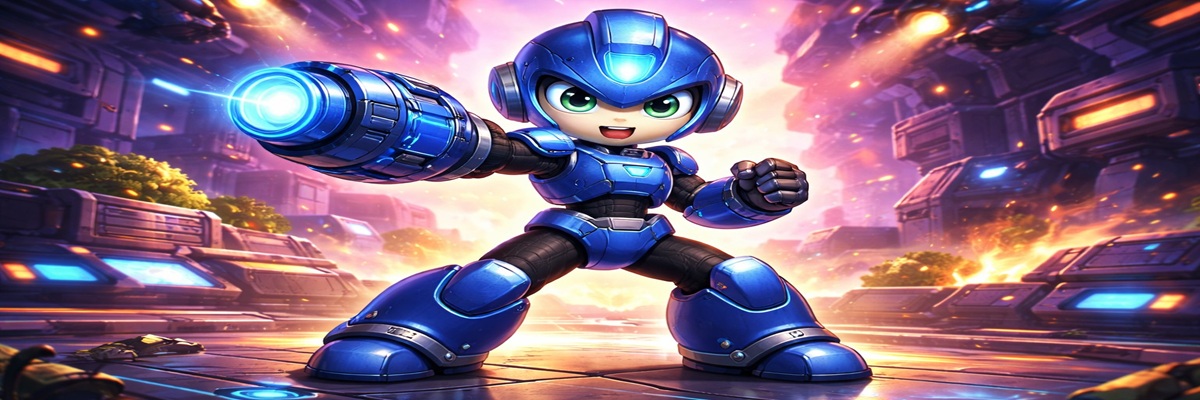
A casting change is coming to one of gaming’s most recognizable characters. Voice actor Ben Diskin, who has portrayed Mega Man in recent projects, says he will not return for Capcom’s upcoming title Mega Man 12: Dual Override. The actor cited concerns about the game’s non-union contract status, adding another chapter to the ongoing conversation about union representation and protections for voice actors working in video games.
The situation has drawn attention across the gaming and voice acting communities, where discussions about contracts, working conditions, and performer protections have become increasingly visible in recent years.
Ben Diskin Steps Away from the Role
Ben Diskin has voiced Mega Man in several modern appearances of the character, helping bring a youthful and energetic performance to Capcom’s iconic hero. His work contributed to the franchise’s continued presence in games, animation, and related media.
However, Diskin confirmed that he will not reprise the role in Mega Man 12: Dual Override. According to the actor, the decision was tied to concerns about the project not being offered as a SAG-AFTRA union contract.
Diskin has been open about his support for union protections in the voice acting industry. In public statements, he explained that accepting non-union roles can conflict with the standards and protections that union performers advocate for within the industry. Those protections typically address issues such as compensation standards, working conditions, and the use of performers’ voices.
Because of those concerns, Diskin chose not to return to the role despite his previous involvement with the character.
The Union Debate in Video Game Voice Acting
The situation highlights a broader issue within the video game industry. Unlike many film and television productions, not all video game projects operate under union agreements.
Organizations such as SAG-AFTRA represent many voice actors working in games and other media. Union agreements typically establish minimum pay rates, workplace protections, and rules regarding how performances can be used. In recent years, these agreements have also expanded to address issues such as the use of artificial intelligence and digital replicas of performers’ voices.
While many major studios do work with union contracts, some productions remain non-union. This can create difficult decisions for performers who support union standards but are offered roles on projects that do not fall under those agreements.
For actors like Diskin, those decisions can mean stepping away from roles they have previously performed.
What This Means for Mega Man: Dual Override
Capcom has not announced who will replace Diskin as the voice of Mega Man in Dual Override. The company has also not publicly addressed the contract situation referenced by the actor.
Because Mega Man is one of Capcom’s longest-running characters, any change to the voice behind the character tends to attract attention from fans. The blue armored hero has appeared in numerous games since his debut in 1987, with several actors portraying the character across different eras of the franchise.
Recasting a role is not uncommon in long-running game series. Voice actors change for a variety of reasons, including scheduling conflicts, creative decisions, or contract issues. In this case, the circumstances surrounding the recasting have placed a spotlight on the broader industry conversation about union participation in video game voice work.
A Larger Industry Conversation
The news surrounding Diskin’s departure arrives during a period of increased discussion about performer rights within the gaming industry. Voice actors have become more vocal about contract conditions, crediting practices, and how emerging technologies may affect their work. Performers such as Jennifer Hale and Grey DeLisle have also helped bring wider visibility to these issues over the years, with many fans viewing them not just as game actors but as professional female voice over artists whose careers span animation, gaming, and major commercial productions.
Union representation has been part of that conversation for many years, particularly as video games have evolved into large scale productions with cinematic storytelling and extensive voice performances. Characters in modern games often require thousands of lines of dialogue and complex performance capture sessions that resemble film production.
As these projects grow in scope, many performers argue that industry standards should evolve alongside them. Union agreements are one of the ways actors attempt to establish those standards.
Diskin’s decision not to return to the role of Mega Man reflects that ongoing debate. While Mega Man 12: Dual Override will move forward with a new voice behind the character, the circumstances surrounding the change highlight the continuing conversation about how voice actors are represented and protected in the video game industry.
