
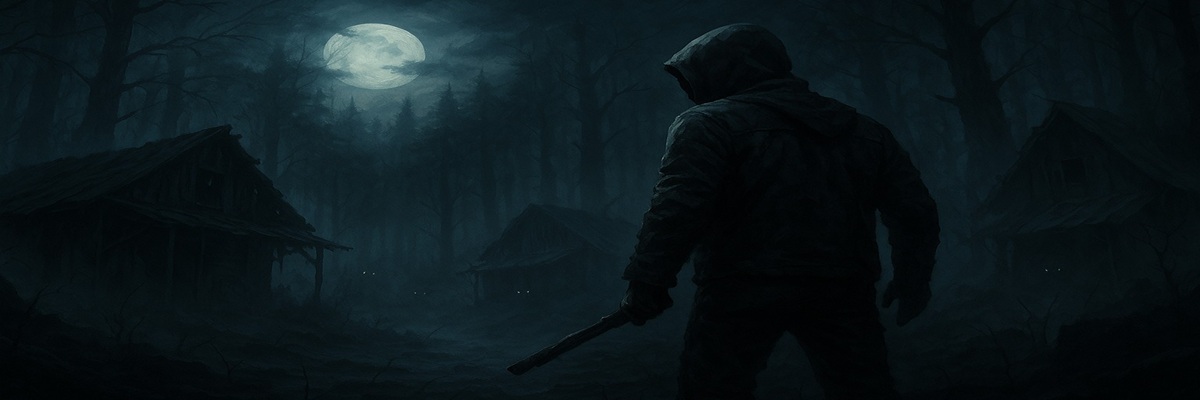
The newest chapter in Techland’s zombie-survival saga, Dying Light: The Beast, has captured attention for more than its intense gameplay. A major reason is its ambitious voice work, which brings hero Kyle Crane and the haunted world of Castor Woods to life in multiple languages. With returning talent, new performers, and an expansive localization effort, the game showcases how powerful voice acting can deepen storytelling and connect with players everywhere.
A Darker Tale for a Returning Hero
Set years after the first Dying Light and its expansion The Following, The Beast finds Kyle Crane transformed and imprisoned by a mysterious figure known as the Baron. Experiments with zombie DNA have left Crane stronger but scarred. When he escapes captivity, he confronts a brutal wilderness and battles inner change as much as the infected that roam Castor Woods.
The game continues the series’ signature elements first-person parkour, brutal melee combat, and a dynamic day-night cycle while adding new mechanics like Beast Mode, which taps into Crane’s altered physiology. Yet the most striking evolution is how his story is told. From hushed dialogue to explosive exclamations, Crane’s voice reflects both rage and vulnerability, setting the emotional tone for the adventure.
A Global Effort in Voice Performance
To make The Beast resonate with audiences worldwide, Techland invested heavily in localization. Kyle Crane’s dialogue is recorded in nine languages, with actors carefully chosen to match the character’s intensity and grit. Returning performers provide continuity for long-time fans, while new voices bring fresh energy to regions where the franchise is growing.
This multilingual approach required extensive planning. Scripts had to be adapted for cultural context and timing, while engineers worked to maintain consistent audio quality across different recording environments. Directors in each language coached actors to capture the same urgency and emotional depth found in the English performance, so that no matter where players live, Crane’s journey feels equally vivid.
Voice Actors Bringing the Characters to Life
The heart of The Beast lies in its performances. Below is a concise list of the key voices confirmed for the game.
Kyle Crane (multiple languages)
- Roger Craig Smith – English
- Tino Kießling – German
- Fábio Azevedo – Brazilian Portuguese
- Daichi Endo – Japanese
- Anatoliy Nox – Russian
- Mario Bastelica – French
- David Robles – Spanish
- Yuhang Wang – Simplified Chinese
- Szymon Mysłakowski – Polish
Supporting Roles
- Rebecca Hanssen – Olivia, a crucial ally guiding Crane through Castor Woods
- Additional ensemble of regional performers voicing survivors, enemies, and background characters
These actors do more than read lines. Through detailed character voiceover work, they embody fear, defiance, and fleeting hope, ensuring that every exchange adds to the atmosphere of desperation and suspense.
The Art and Challenge of Localization
Recording a game of this scale across so many languages requires exceptional coordination. Each script must fit cinematic timing, lip movements, and gameplay pacing, even when sentence structures differ widely. Pronunciation, idiomatic phrasing, and emotional emphasis all need careful attention so that translated dialogue retains the impact of the original.
Moreover, Kyle Crane is not simply an action hero shouting commands. His voice shifts between quiet introspection and raw fury. Capturing those layers in multiple languages means every actor must understand the character’s history and psychology. Engineers and directors oversee countless retakes to align mood and pacing, so players switching from English to Japanese or Spanish experience the same character at the same dramatic pitch.
Evolving a Familiar Character
Long-time fans know Crane as a capable but conflicted survivor. In The Beast, he emerges older, scarred by captivity and experimentation. His lines are grittier, laced with both pain and resolve. The returning English actor, Roger Craig Smith, delivers a performance that reflects this transformation, while each international counterpart brings those changes into their own language with fidelity and nuance.
The result is a protagonist who feels at once familiar and freshly complex. Players sense his history in every growl and whisper, whether they hear it in English, German, or Mandarin.
How Voice Acting Shapes the Game Experience
Voice acting does more than fill silence. It drives immersion, giving emotional weight to the eerie forests of Castor Woods and to the tense encounters with human factions and monstrous foes. Conversations with allies like Olivia are rich with personality, creating relationships that feel real. Even incidental dialogue from frightened survivors to hostile raiders deepens the sense of a living, unpredictable world.
The extensive localization also broadens the game’s reach. Players across Europe, Asia, and the Americas can experience The Beast in their native languages with performances that carry the same dramatic punch as the original English version. This attention to language and culture turns a single story into a truly global experience.
Raising the Bar for Game Localization
Dying Light: The Beast reflects a wider shift in the gaming industry. As audiences become more international, studios increasingly treat localization and voice acting as core features rather than afterthoughts. High-quality dubbing in multiple languages can influence sales, reviews, and community engagement.
By commissioning full performances rather than simple translations, the development team signals that every market matters. This not only satisfies fans but also sets a precedent for future releases, encouraging other game makers to invest in equally detailed localization.
Why the Voice Cast Matters to Players
A powerful story needs a powerful delivery. Players who have followed the franchise since the original Dying Light often feel attached to Kyle Crane’s voice. Bringing back the English actor and several other returning performers strengthens that connection. At the same time, new actors in key markets help introduce Crane to fresh audiences without compromising character integrity.
This balance between tradition and innovation shows respect for long-time supporters and recognition of a growing international fan base. Whether a player hears Crane curse in Russian, strategize in Japanese, or rally survivors in Portuguese, the emotion rings true.
A Milestone in Storytelling and Sound
By combining intense gameplay with exceptional voice work, Dying Light: The Beast underscores how vital sound is to modern gaming. Its layered performances, carefully planned localization, and global cast create a rich auditory world that matches the scale of its visual and narrative ambitions.
The result is more than a sequel. It is a showcase for what is possible when developers treat voice acting as a central part of design. Players don’t just fight the infected or traverse rooftops they inhabit a story spoken in many voices, each carrying the same urgency and heart.
As gaming continues to expand across languages and cultures, Dying Light: The Beast stands as an example of how multilingual voice casting can elevate a game from thrilling entertainment to a worldwide narrative event.
