
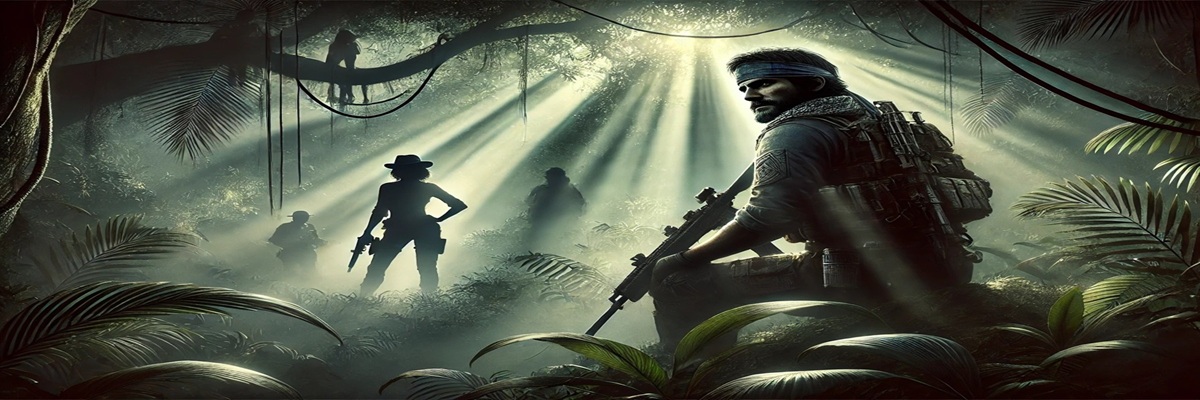
The upcoming remake of *Metal Gear Solid Δ: Snake Eater* has stirred excitement among fans not only for its visual overhaul but also for its commitment to preserving one of the most essential elements of the original: its voice cast. Unlike many modern remakes that opt for new actors or reimagined interpretations, this project honors its legacy by bringing back the voices that defined the game’s emotional and narrative core. For long-time players, hearing those familiar tones immediately recalls the tension, mystery, and humanity that set the series apart from its contemporaries.
The Definitive Role of a Lifetime
Central to this return is the voice of Snake himself. The actor behind the legendary soldier has described the role as the defining point of his career—a performance that shaped not only his professional identity but also left an indelible mark on gaming culture. Snake was more than a gruff-voiced hero; he was vulnerable, conflicted, and deeply human. The actor’s reflections highlight how rare it is for a single role to carry such weight across decades, influencing both fans and fellow performers.
In interviews, he has spoken candidly about the emotional connection he developed with the character. For him, voicing Snake was more than a job—it was a transformative experience that cemented his place in the industry. That sentiment resonates with fans who see Snake not just as a protagonist, but as a symbol of resilience and sacrifice.
A Cast That Brings Depth to the Battlefield
While Snake’s voice is the anchor of the series, *Metal Gear Solid Δ: Snake Eater* features an ensemble cast that enriches its dense, espionage-driven story. Key characters such as The Boss, Major Zero, and Eva return with performances that blend authority, complexity, and subtlety. The decision to reunite these voices ensures that the emotional gravitas of pivotal scenes—whether moments of betrayal, revelation, or loss—remains intact.
The full cast list is a testament to the game’s ambition. Each role, from the enigmatic Ocelot to the haunting members of the Cobra Unit, carries weight thanks to careful casting and direction. The original game’s ability to deliver cinematic storytelling within an interactive format was groundbreaking at the time, and much of that achievement came from the strength of its voice performances.
Why Preserving Voices Matters
In a landscape where remakes often reinvent or replace, the decision to retain the original cast is more than nostalgic fan service—it’s an acknowledgment of the artistry behind voice acting. These performances were not interchangeable; they defined the emotional resonance of the story. By keeping the same voices, the remake preserves the soul of the game while reintroducing it to a new generation of players.
The Weight of Returning to a Classic
Revisiting a title as iconic as *Metal Gear Solid 3: Snake Eater* carries immense responsibility. The original game was lauded not only for its stealth gameplay but also for its cinematic ambition, with storytelling on par with the best films of its time. Much of that impact came from the voices that gave depth to the characters. For the returning cast, stepping back into these roles means recapturing performances that shaped the identity of the series while adapting them for a modern context.
This is no easy task. The remake’s developers are enhancing visuals, environments, and mechanics, yet they remain acutely aware that changing the voices would alter the very soul of the experience. The choice to preserve the original performances is therefore both a creative and cultural safeguard, ensuring the remake feels authentic to veterans while still accessible to newcomers.
Behind-the-Scenes Significance
For the actors, returning to these roles after years away is a profound journey. Many of them have spoken about the original recording sessions as career highlights, times when they poured everything into performances that would reach millions of players worldwide. Reprising the roles requires reconnecting with that intensity, but also trusting in the timelessness of the work they already created.
Modern audio technology allows these performances to shine in new ways. Where the original recordings were sometimes constrained by the limitations of hardware, today’s tools give greater fidelity to every nuance—the subtle grit in Snake’s voice, the commanding presence of The Boss, and the chilling calm of Ocelot. This fidelity doesn’t change the heart of the performances but gives them a clarity that matches the remake’s visual polish.
Voice Acting as the Heart of Metal Gear
Few franchises have leaned on voice acting as heavily as *Metal Gear*. Known for its complex political themes, shifting allegiances, and morally ambiguous characters, the series depends on actors to deliver lines with gravitas and emotional weight. A single pause, a tone shift, or a whispered line can alter the meaning of a scene, and the cast of *Snake Eater* mastered that art.
The remake provides an opportunity to remind players how central these performances were to the game’s impact. Cinematic cutscenes and gameplay moments alike are defined by the interplay of visuals and voices. Without the strength of the original cast, the tension of betrayals, the sorrow of sacrifices, and the humanity behind the soldiers would risk being lost.
A Legacy Preserved for a New Generation
The choice to preserve the original voice cast is more than a creative decision—it’s an act of respect for a game that has become a cornerstone of video game history. For fans who experienced the original release, hearing the same voices in a modern remake is a powerful reminder of why *Snake Eater* is still regarded as one of the greatest entries in the series. For new players, it’s a chance to encounter those performances in a refreshed, visually stunning package without losing the essence that made them iconic.
Bridging Past and Present
Remakes often walk a fine line between innovation and preservation. In the case of *Metal Gear Solid Δ: Snake Eater*, the voices are the bridge that connects past and present. Even with enhanced graphics, reimagined environments, and modern gameplay mechanics, the emotional heart of the story remains intact because the voices remain unchanged. That continuity ensures that pivotal scenes—like Snake’s bond with The Boss or the tense rivalries that define the plot—retain the emotional power that fans remember.
The Broader Influence of Voice Acting
The enduring popularity of the *Metal Gear Solid* series highlights how vital voice acting has become in modern gaming. Before titles like *Snake Eater*, few games relied so heavily on performances to carry complex narratives. These voices showed the industry what was possible when games embraced cinematic storytelling. Today, that influence is visible across countless franchises that prioritize strong acting alongside visuals and gameplay.
By revisiting this classic with its original cast, the remake not only preserves history but also reaffirms the role of voice actors as central storytellers. Their performances helped define an era of gaming and continue to set the standard for how powerful and memorable voice work can be.
Looking Forward
As anticipation builds for the release of *Metal Gear Solid Δ: Snake Eater*, expectations are high—but so is the excitement. Fans know that while the graphics and mechanics may evolve, the voices anchoring the story remain the same. That choice ensures that this remake will not only honor its legacy but also introduce the definitive version of the experience to a new generation of players.
In the end, the decision to keep the original voices is a testament to the belief that sometimes, the soul of a story isn’t in its visuals or systems—it’s in the voices that bring its characters to life.
