
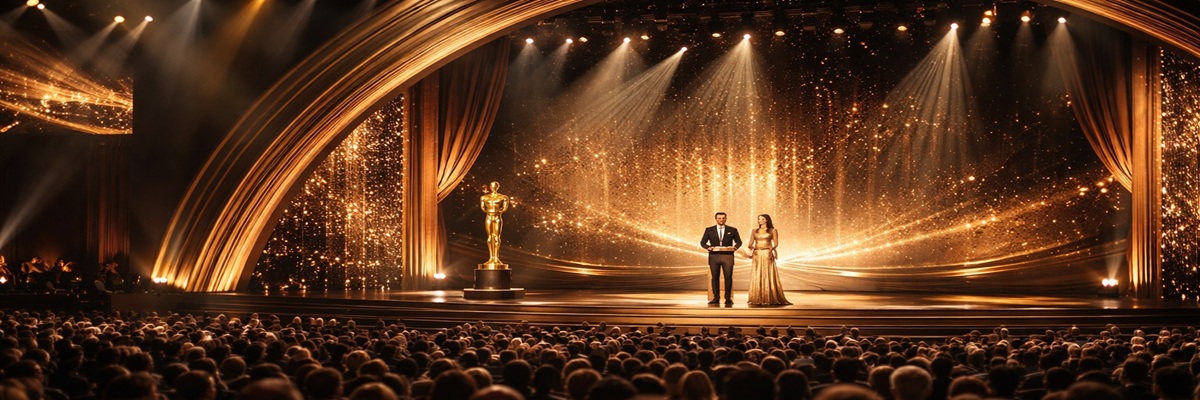
The 2026 Academy Awards delivered its usual mix of major wins, emotional speeches, and viral moments, but one of the biggest talking points came from an unexpected place. While the winners dominated headlines, many viewers focused on the voice guiding the ceremony throughout the night.
Actor and voice performer Matt Berry served as the official announcer for the Oscars, and his distinctive delivery quickly stood out. By the end of the broadcast, his voice had become one of the most discussed elements of the entire event, with audiences reacting to his dramatic tone and unique presence.
Matt Berry as the Voice of the 2026 Oscars
Matt Berry brought a completely different energy to the Oscars compared to traditional announcers. Known for his deep, theatrical delivery, Berry handled introductions, category transitions, and presenter announcements with a style that felt both dramatic and comedic.
Viewers reacted strongly across social media, with many praising how his voice elevated even routine segments. His delivery added personality to the ceremony, making transitions feel more engaging rather than purely functional.
Berry’s background explains why the role suited him so well. He is widely known for his work in What We Do in the Shadows and The IT Crowd, where his vocal performance is a major part of his appeal. Beyond live-action roles, he has contributed to animation, narration, and comedy projects that rely heavily on voice.
At the Oscars, that experience translated into a performance that stood out in a broadcast format that often feels predictable. His tone, pacing, and emphasis gave the show a distinct identity that audiences immediately recognized.
The Host and Their Voiceover Work
The 2026 Oscars were hosted by Conan O’Brien, who led the ceremony with his signature comedic style. His opening monologue set the tone for the night, blending humor with commentary on the film industry and current trends.
O’Brien’s background also includes voice acting work. Over the years, he has lent his voice to animated projects such as The Lego Batman Movie, along with various television appearances where vocal performance plays a central role.
His experience with voice work contributed to the rhythm of the ceremony. As host, O’Brien balanced humor with structure, keeping the show moving while allowing space for major moments to land.
The combination of O’Brien’s hosting and Berry’s announcing created a unique dynamic. The host delivered the visible performance on stage, while the announcer shaped the tone behind the scenes.
Highlights and Memorable Moments from the Ceremony
The 2026 Oscars featured several standout moments driven by the actors and filmmakers at the center of the night. Michael B. Jordan, who won Best Actor for Sinners, delivered one of the most talked-about speeches, thanking director Ryan Coogler and reflecting on his long journey from supporting roles to leading man status.
Jessie Buckley, who won Best Actress for Hamnet, gave an emotional acceptance speech that resonated with audiences, speaking about the challenges of portraying grief and historical characters on screen. Her performance had already been widely praised leading into the ceremony, and her win was one of the night’s expected but still powerful moments.
On the supporting side, Sean Penn’s win for One Battle After Another sparked discussion, with many noting his return to a major awards stage after years away from high-profile Oscar races. Amy Madigan, winning Best Supporting Actress for Weapons, also drew strong reactions, with her speech highlighting decades of work in the industry.
The ceremony also saw Paul Thomas Anderson take center stage multiple times as One Battle After Another secured both Best Picture and Best Director. His presence throughout the night became a defining thread of the broadcast, as the film emerged as the biggest winner.
Musical performances tied to nominated films also stood out, particularly the performance of “Golden” from KPop Demon Hunters, which later won Best Original Song. The segment added energy to the ceremony and became one of the most widely shared clips after the broadcast.
Throughout all of these moments, Conan O’Brien kept the tone balanced with humor, often reacting to winners and presenters in real time, which helped give the ceremony a more conversational feel compared to previous years.
Winners of the Major Oscar Categories
The Academy Awards recognized a wide range of films and performances across its major categories.
In terms of voice-related relevance, the Best Animated Feature category remains the closest connection to voice acting. Animated films rely heavily on vocal performances to bring characters to life, making the category particularly important for voiceover professionals.
Best Animated Feature: KPop Demon Hunters
Other major winners included:
- Best Picture: One Battle After Another
- Best Director: Paul Thomas Anderson, One Battle After Another
- Best Actor: Michael B. Jordan, Sinners
- Best Actress: Jessie Buckley, Hamnet
- Best Supporting Actor: Sean Penn, One Battle After Another
- Best Supporting Actress: Amy Madigan, Weapons
- Best Original Screenplay: Ryan Coogler, Sinners
- Best Adapted Screenplay: Paul Thomas Anderson, One Battle After Another
- Best International Feature: Sentimental Value
- Best Original Score: Ludwig Göransson, Sinners
- Best Original Song: “Golden,” KPop Demon Hunters
These results reflected a mix of large-scale productions and character-driven storytelling that defined the year in film.
Why the Voice of an Awards Show Matters
The announcer plays a crucial role in any live event, even if they are rarely seen on screen. Their voice guides the audience through the structure of the ceremony, helping maintain pacing and tone between segments.
A distinctive voice can elevate that role significantly. In the case of the 2026 Oscars, Matt Berry’s performance showed how an announcer can become a defining part of the broadcast.
His delivery added personality and consistency to the show, proving that voice talent can influence how an event is experienced just as much as what happens on stage.
By the end of the night, it was clear that while the awards themselves remained the focus, the voice behind the ceremony had become one of its most memorable elements.
