
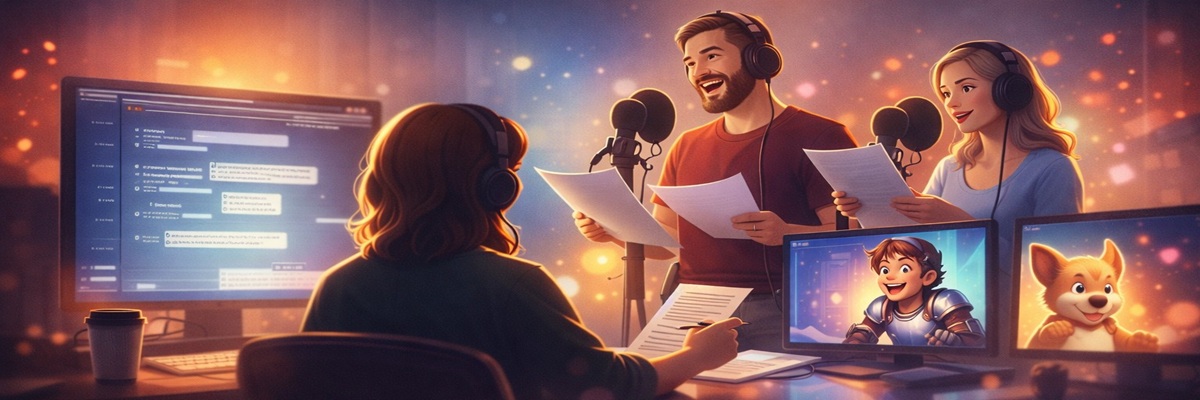
Character driven storytelling has become one of the defining features of modern video games. As narratives grow more complex and cinematic, developers increasingly rely on teams of writers, narrative designers, voice actors, and performance directors to build believable characters. This collaborative process is a major focus at the Game Developers Conference, where the Narrative and Performance track explores how stories and performances come together during game development.
At GDC 2026, professionals from across the industry are sharing their experience in creating characters that players remember long after the game ends. The sessions bring together narrative designers who craft the scripts, voice actors who bring those scripts to life, and directors who guide performances during recording sessions.
Narrative Designers Creating the Foundation for Character Performance
Before a voice actor records a single line, narrative designers have already spent months shaping the characters that appear in a game. Their work involves defining personalities, motivations, and emotional arcs that will guide how characters interact with players and other figures in the story.
At GDC, several narrative specialists are discussing how these elements are built during development. Speakers such as Sam Maggs, Jennifer Svedberg-Yen, Alexa Ray Corriea, Joshua Rubin, and Dennis Lenart represent different areas of narrative design across the industry. Their sessions explore how writers approach character development and how dialogue is structured for interactive storytelling.
Unlike traditional film or television scripts, game dialogue must often account for player choice. Conversations may branch depending on decisions made during gameplay, which means writers frequently create multiple variations of the same exchange. Narrative designers must ensure that every version of a scene remains consistent with the character’s personality and emotional journey.
This process also requires careful attention to how dialogue will sound when spoken aloud. Lines that appear effective on the page may need adjustments once actors perform them. As a result, narrative designers often collaborate closely with directors and performers to refine dialogue throughout production.
Voice Actors Bringing Game Characters to Life
Once scripts are prepared, voice actors begin transforming those written characters into fully realized performances. Their work involves interpreting the motivations and emotions behind each line while maintaining consistency across recording sessions that can span months.
Several voice actors speaking at GDC 2026 have extensive experience with character driven storytelling in games. Among them are Cissy Jones, Courtenay Taylor, Elias Toufexis, and Ben Starr. Each of these performers has contributed to major titles known for their narrative depth and memorable characters.
Cissy Jones is widely recognized for her work in narrative focused games such as Firewatch, Baldur’s Gate 3, and Life Is Strange. Her performances often emphasize emotional authenticity, helping players connect with characters in stories that rely heavily on dialogue and atmosphere.
Courtenay Taylor has appeared in a wide range of games including Fallout 4, Mass Effect, and Starfield. Her versatility as a performer allows her to portray multiple roles across different genres, from dramatic storytelling to action driven narratives.
Elias Toufexis is known for both voice acting and performance capture work in games such as the Deus Ex series. Performance capture technology allows actors to deliver physical acting alongside their vocal performances, capturing body language and facial expressions that animators can incorporate into the final character.
Ben Starr represents a newer generation of actors entering large scale cinematic productions. His performance as Clive Rosfield in Final Fantasy XVI drew widespread attention for its emotional intensity and dramatic range. Performances like this demonstrate how voice acting has become central to the storytelling ambitions of modern game development.
Cissy Jones and Ben Starr on Character Performance
Actors such as Cissy Jones and Ben Starr illustrate how powerful performances can shape the way players experience a game’s narrative. Both performers have worked on titles where character relationships and emotional moments drive the story forward.
Jones’s work in Firewatch helped highlight the importance of natural dialogue delivery in interactive storytelling. The game relies heavily on conversation between characters, and her performance helped create a sense of realism that resonated with players. Narrative games often depend on subtle emotional shifts rather than dramatic action sequences, which makes vocal performance especially important.
Ben Starr’s performance in Final Fantasy XVI reflects another side of the evolving role of voice actors in games. Large scale productions now often feature extensive cinematic scenes supported by motion capture technology. Actors may perform dramatic scenes that resemble film or television production while still adapting their performances to an interactive medium.
These performances demonstrate how actors interpret the intentions of the narrative team while bringing their own understanding of the character to the role. During recording sessions, directors frequently work with actors to refine dialogue delivery and maintain consistency across scenes recorded out of sequence.
Why Collaboration Is Changing Game Storytelling
As the scope of video game storytelling continues to grow, collaboration between writers, actors, and directors has become increasingly important. Narrative teams create the foundation of a character through scripts and dialogue design, but actors contribute emotional nuance that shapes how those characters ultimately feel to players.
Recording sessions often involve adjustments to dialogue based on the rhythm of performance. A line that reads well on the page might be shortened, rephrased, or delivered differently once an actor performs it. Directors and writers frequently work alongside performers to refine these moments in real time.
Performance capture technology has also strengthened this collaboration. Actors may now perform scenes physically while delivering dialogue, allowing animators to translate their movements directly into character animation. This approach helps create more natural interactions between characters and contributes to the cinematic quality of modern games.
Sessions at GDC give developers an opportunity to discuss these techniques and share lessons learned during production. For studios working on narrative driven projects, understanding how actors, writers, and directors collaborate can help improve both storytelling and character development.
The Growing Role of Performance in Game Development
The discussions taking place in the Narrative and Performance track reflect how much the industry has changed in recent years. Voice acting is no longer treated as a final step added near the end of development. Instead, performance is often integrated throughout the entire production process.
Narrative designers, voice actors, and directors now work together from early stages of development to ensure that characters feel authentic and emotionally engaging. Conferences such as GDC provide a valuable platform for these professionals to share techniques, discuss challenges, and explore new approaches to storytelling in interactive media.
As games continue to evolve as a storytelling medium, the collaboration between writers and performers will remain one of the most important elements in creating memorable characters. Events like the Game Developers Conference highlight how that creative partnership continues to shape the future of video game narratives.
