
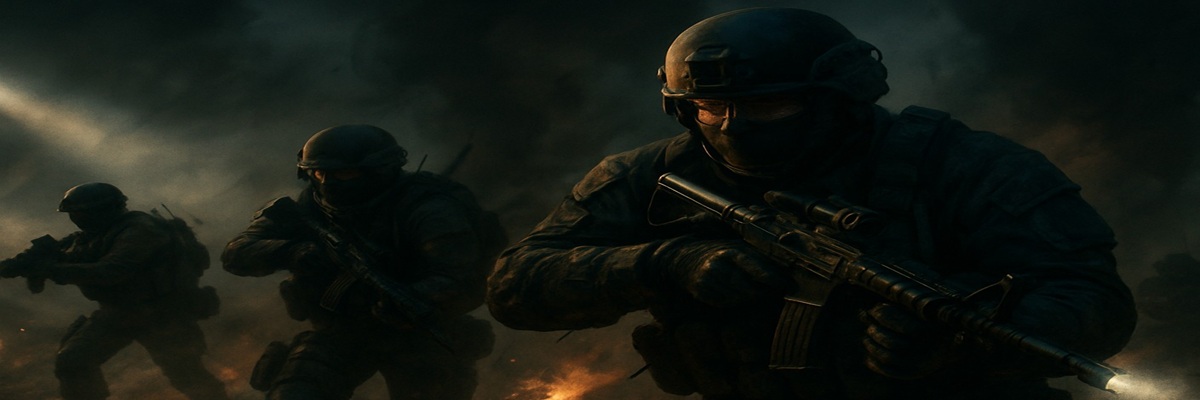
Call of Duty: Black Ops 7 arrived with the scale and intensity expected from one of gaming’s most recognized franchises. Early coverage focused on its cinematic campaign, updated mechanics, and the return of familiar operatives. At the same time, several unrelated topics surrounding the game created ongoing discussion across the industry. These included casting decisions, performance benchmarks, AI search errors online, and questions about how automated tools were used during production. Instead of overshadowing the release, these topics added layers of conversation around a title that was already positioned as a major moment in the Black Ops timeline.
Players noted that this installment attempts to balance a character-driven narrative with fast military action, giving long-time fans reasons to revisit familiar storylines while offering newcomers an entry point. The world of Black Ops has always relied on dramatic performances. Because of this, the voice cast has become a central part of how the campaign is experienced. This created immediate interest in who returned, who was recast, and how the performances shaped the tone of each mission.
Voice Cast and Their Importance to the Story
The confirmed cast list includes several names recognized by fans of the series. Reports from Insider Gaming and The Hollywood Reporter highlighted returning talent along with new additions. The familiar voices of Frank Woods and Alex Mason continue to anchor the story, supported by other operatives who contribute to the overall tension of the campaign. Below is a list of performers confirmed for Black Ops 7:
Voice Cast
- David Agranov as Frank Woods
- Marcus Weiss as Alex Mason
- Claudia Christian as Helen Park
- Trey Tennant in new operative roles
Players noted that Woods and Mason feel grounded because the same voices return to portray them. Their delivery helps maintain continuity throughout the Black Ops timeline. Claudia Christian once again provides a firm presence as Park, giving weight to scenes involving strategy and intelligence work. Trey Tennant and other newcomers add fresh energy to the cast by portraying operatives who support or challenge the main characters.
This attention to voice identity plays a large role in how audiences connect with the story. In a series that spans multiple decades of fictional history, consistency matters. Fans return to hear characters they recognize, and the right vocal performance carries the emotional tone of each mission. The game’s structure includes intense exchanges, quiet planning sequences, and confrontations that rely heavily on rhythm and timing. That makes the work of the cast essential to the experience.
Story Direction, Character Focus, and Campaign Presentation
Early previews described the campaign as a blend of covert operations and high-pressure missions that follow a group of operatives facing shifting alliances. Returning characters tie the narrative to earlier entries, while new operatives add new layers to the conflict. Reports explained that the story builds tension through close-quarters encounters and carefully paced missions that place emphasis on character reactions.
The campaign’s structure relies heavily on performance. Many scenes involve conversations that move quickly between calm planning and unpredictable conflict. This creates an atmosphere where the cast must shift tone without losing clarity. Because of this design choice, the delivery of each line shapes the emotional flow of the story.
Players also noted that the use of facial capture and detailed character animation helps reinforce the weight of each scene. Technical improvements allow for more expressive performances, and this has strengthened how interactions between characters unfold. By matching vocal emotion with precise animation, the campaign maintains a grounded feel that has become a signature of Black Ops storytelling.
Performance Benchmarks and AI-Related Controversies
Alongside casting and narrative details, several topics gained attention during the launch period. Benchmark reports showed that the game runs very well on high-end systems, with strong frame rates and detailed visual settings available to players who have powerful hardware. WCCFTech outlined the game’s ability to scale across different systems, though some mid-level machines experienced occasional dips in crowded scenes. Many players expect further refinement as patches arrive.
At the same time, separate conversations emerged around the idea that some promotional artwork may have included automated elements. IGN reported that a United States congressman publicly raised concerns about the possibility of AI-generated images appearing in marketing materials. These discussions did not involve direct confirmation from Activision, but the visibility of the allegations placed extra attention on the creative pipeline used for this release.
Another curiosity came from an unrelated issue on Google’s AI Overviews feature, which briefly produced automated summaries stating that Black Ops 7 was not a real product. Mashable documented how this error confused some readers before it was corrected. The mistake added to ongoing concerns about how automated systems can misrepresent factual information when handling large-scale entertainment topics.
Gadgets 360 also reported claims that generative tools might have been used in parts of development. These claims were speculative, and the reporting noted the absence of confirmation. Regardless, the conversation grew because many players and developers want greater clarity about how automated tools are being adopted within the industry. Combined with recent debates in other game launches, Black Ops 7 became part of a wider discussion about the boundaries between human creativity and automated assistance.
Broader Reactions and the Future of Black Ops 7
Steam player data at launch showed strong engagement, reflecting the long-standing loyalty of Call of Duty fans. As expected, the competitive modes and campaign both contributed to this momentum. Some players focused on technical performance, others discussed campaign pacing, and many engaged in conversation about the topics surrounding automated tools. Through all of this, the voice cast remained one of the most consistently praised elements of the game.
The release of Black Ops 7 demonstrates how complex modern game launches have become. A single title can spark excitement, scrutiny, and large-scale discussion across unrelated topics. The confirmed cast helped anchor the story through familiar voices, while performance benchmarks provided a snapshot of how well the game runs on different systems. Meanwhile, public debate around automated tools introduced questions about creative direction, reliability, and accuracy in associated platforms.
Even with these additional conversations, players responded strongly to the campaign’s presentation, which continues the tradition of character-driven storytelling. The return of established operatives, the introduction of new faces, and the intensity of mission design have shaped how the title is being received. As the player base continues to grow, Black Ops 7 stands as both a major entry in the franchise and a focal point for many broader discussions shaping the future of game development.
