
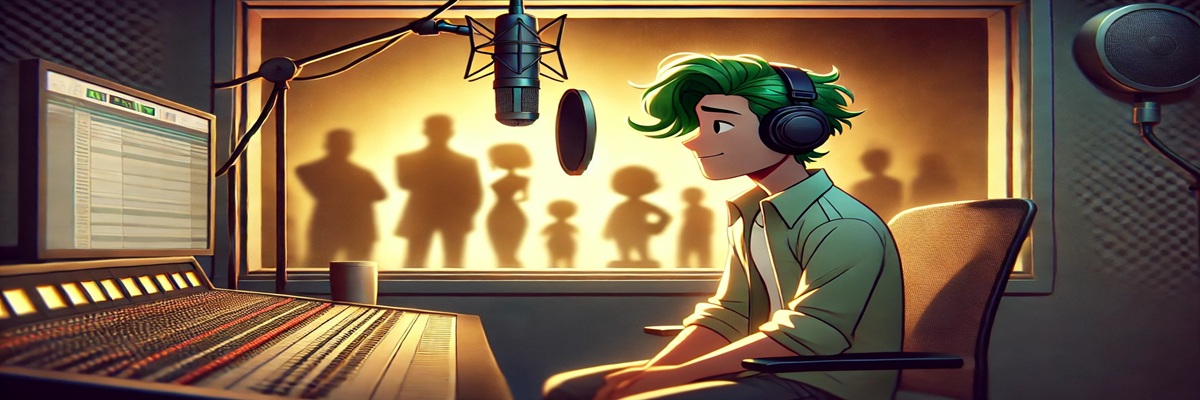
Longtime Beast Boy voice actor Greg Cipes is speaking publicly about his departure from Teen Titans Go! after more than two decades with the beloved DC character. Cipes, known for bringing an unmistakable mix of energy and heart to Beast Boy since the early 2000s, revealed earlier this year that he had been diagnosed with early onset Parkinson’s disease. Soon after making his diagnosis known, he says he was unexpectedly let go from the Warner Bros. animated series—a move that has sparked intense discussion among fans and industry watchers.
Cipes shared that he first received his Parkinson’s diagnosis in March 2025. The news was life changing but, he says, it did not diminish his ability or determination to perform. What followed shocked him and many supporters: on Valentine’s Day, just weeks after disclosing his health condition, he was informed he would not return for the show’s upcoming season. Cipes has characterized the decision as a discriminatory firing tied directly to his medical status.
According to the actor, the production process leading up to his exit was equally troubling. Unlike other core cast members, he was reportedly asked to re-audition for his own long running role in Season 10. To him, this unusual requirement signaled a lack of confidence in his abilities and set the stage for what he believes was an unjust removal. His statements have resonated deeply with fans, many of whom have rallied behind him on social media under hashtags like #SaveBeastBoy, calling on Warner Bros. to reinstate him or clarify the reasoning behind the change.
Warner Bros., for its part, has offered a different explanation. Sources close to the production say the decision centered on performance concerns rather than health discrimination. Reports indicate that producers believed Cipes’s recent recordings did not meet the tonal or technical standards needed for Beast Boy going forward. These accounts also mention that the studio proposed creating a new character specifically for him and even discussed potential development opportunities—offers that Cipes has not accepted as of yet.
The conflicting narratives have left fans and colleagues torn. Supporters emphasize Cipes’s decades of defining Beast Boy’s voice and question why performance issues were not addressed through coaching or scheduling adjustments. Others point to the studio’s statement as evidence that creative needs, rather than discrimination, could have guided the decision. Regardless of perspective, the controversy has cast a spotlight on how animated productions handle long term voice talent when serious health challenges arise.
A Growing Debate Over Disability Rights in Voice Acting
The debate over Greg Cipes’ departure has quickly become larger than a single casting change, raising questions about workplace protections and representation for performers facing medical challenges. Parkinson’s disease, a progressive neurological condition, can cause tremors, changes in voice, and muscle stiffness over time. Yet symptoms vary greatly and many people continue to work successfully for years after a diagnosis. Supporters argue that a veteran actor like Cipes, who has voiced Beast Boy in everything from the original Teen Titans to Teen Titans Go! and countless crossovers, deserves reasonable accommodations rather than removal.
Fans have been vocal in their defense. Online petitions and trending hashtags highlight his influence on multiple generations of viewers and the unique qualities he brings to the character. Many note that Cipes helped define Beast Boy’s personality with his laid back humor and heartfelt sincerity, making the character a standout in DC’s animated universe. Social media campaigns are urging Warner Bros. to reconsider or, at the very least, to provide more transparency about how and why the decision was made.
Industry professionals are watching closely as well. Unions and advocacy groups emphasize that U.S. employment law, including the Americans with Disabilities Act (ADA), requires employers to provide reasonable accommodations for workers with disabilities, which can include scheduling flexibility or modified duties. Although voice acting differs from on camera work, the principle of equal opportunity still applies. Legal experts point out that if a voice actor can perform essential job functions with or without accommodations, a termination linked to their condition could lead to claims of discrimination.
Warner Bros. has stated through sources that their choice was not about health status but about performance. They reportedly offered to create a new character for Cipes and explore a development deal, moves that they say reflect ongoing support rather than rejection. Some industry insiders view this as a sign that the studio values his creativity and wants to maintain a relationship, even if he is no longer voicing Beast Boy. However, supporters counter that being sidelined from a signature role sends a discouraging message to artists with chronic illnesses.
Meanwhile, the remaining cast and creative team of Teen Titans Go! face the challenge of continuing a show whose heart has long included Cipes’ distinctive delivery. Finding a replacement who can capture both the comedic timing and emotional warmth of Beast Boy will not be easy. The production’s next steps—whether a seamless recast, a storyline explanation, or even a potential reconciliation—will likely influence fan reception when the new season airs.
As the story unfolds, it underscores how the animation industry is grappling with inclusivity and long term support for its talent. Cipes’ situation has become a rallying point for broader conversations about fairness, compassion, and the evolving relationship between creative work and health realities.
The Emotional Bond Between Actor and Character
The controversy surrounding Greg Cipes’ exit is also shining a light on the emotional bonds between voice actors and the characters they portray. For more than twenty years, Cipes helped define Beast Boy’s personality, shaping not only his playful jokes but also the heartfelt moments that made the character resonate with fans of all ages. Losing that familiar voice creates a ripple effect for the audience, many of whom grew up with his performance as a constant part of their entertainment landscape.
Within the industry, his story is prompting discussions about how animation studios can better support veteran performers who face health challenges. Colleagues have pointed out that voice work often allows for flexible recording schedules, remote sessions, and other accommodations that can keep talented actors in key roles even as medical needs change. Some producers are now exploring how they might formalize these practices to avoid sudden and contentious separations in the future.
For Cipes, the decision has been deeply personal. He has shared his commitment to maintaining his artistry and his hope that speaking openly will help others with Parkinson’s feel less isolated. By addressing his diagnosis publicly, he not only highlighted the realities of living with the condition but also encouraged a more compassionate dialogue about chronic illness in the entertainment world. His openness has resonated with fans, who view him as a symbol of perseverance and courage.
Warner Bros., meanwhile, continues to move forward with new episodes of Teen Titans Go! While no official replacement for Beast Boy’s voice has been announced, speculation runs high about how the show will handle the transition. Some fans are calling for the character to be written out temporarily or given a storyline that explains any changes in his voice, while others hope for a solution that keeps the spirit of Cipes’ portrayal alive.
What This Means for the Future of Voice Acting
The outcome of this situation may influence how other studios handle similar challenges in the years ahead. As voice acting becomes an increasingly visible and celebrated craft, audiences are paying closer attention to how companies treat the people behind the characters they love. The choices made now could set important precedents for protecting artists’ rights and dignity, particularly when health issues come into play.
For Greg Cipes, the road forward includes managing his health while continuing to create. He has expressed gratitude for the outpouring of support and hinted at future projects that will allow him to share his talents in new ways. Whether or not he returns to Teen Titans Go!, his impact on Beast Boy and on the wider world of voice acting is secure. His experience stands as a reminder that the power of a voice can reach far beyond the recording booth, leaving an enduring mark on storytelling and on those who hear it.
