
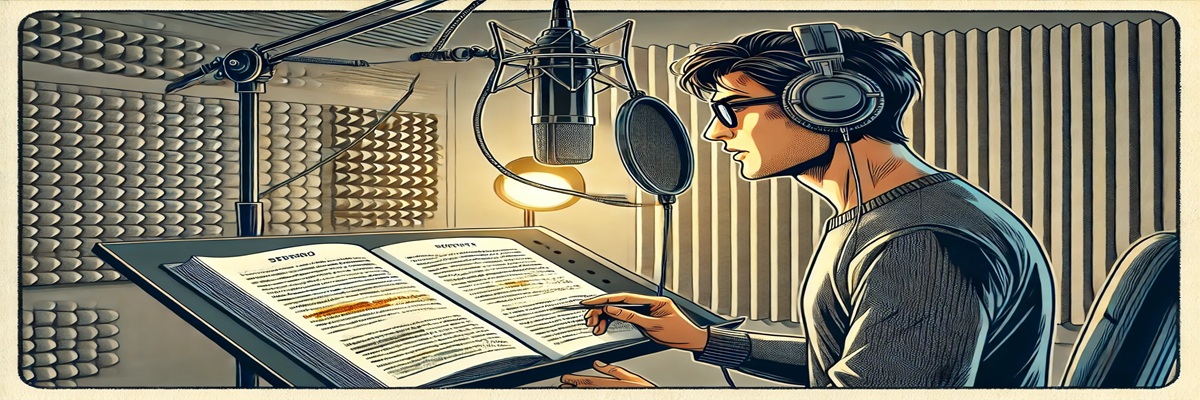
The Growing Art Form
Audiobook narration has evolved into a specialized performance art that demands far more than simply reading text aloud. The growing popularity of hit fantasy series, bestselling thrillers, and sprawling historical sagas in audio format has raised the expectations for narrators. Listeners now want more than clear enunciation; they expect immersive storytelling, distinct character voices, and emotional nuance that make them feel part of the world unfolding in their ears.
Epic fantasy novels like *Fourth Wing* and *Onyx Storm* are perfect examples of the challenge. With expansive casts, intricate plots, and vivid settings, these books demand narrators who can sustain complex performances for dozens of hours without losing consistency. Other beloved works such as *The Night Circus*, *The Hunger Games*, and *A Court of Thorns and Roses* have found similar success in audio form, largely thanks to skilled narration that captures both the grandeur of the story and the intimacy of a single listener’s experience.
Preparation: Understanding the Story’s Pulse
For high-profile releases, preparation often begins weeks before recording starts. Narrators meticulously read the manuscript, sometimes multiple times, making notes on tone, pacing, and key emotional beats. They research pronunciations for invented names, consult with authors or publishers about intended accents, and sketch out distinct vocal profiles for each character.
This preparation is not only about logistics, it’s about finding the heartbeat of the story. A narrator must know when to linger over a sentence to build tension, when to quicken the pace to heighten excitement, and when to soften their tone to deliver an emotional moment. Without this planning, even the most beautiful prose can fall flat in audio form.
Training: The Physical Demands of the Voice
Narrating a lengthy audiobook is physically taxing. A single recording session can last several hours, and a complete book may take weeks to complete. Professional narrators train their voices like athletes train their bodies, with vocal warm-ups, breathing exercises, and strict hydration habits. Stamina is key not just to maintain vocal clarity, but to ensure consistency from the first chapter to the last.
Training also involves mastering microphone technique. Subtle shifts in distance, head position, and breath control can dramatically affect audio quality. Narrators learn how to manage these variables instinctively so they can focus on performance rather than technical corrections.
Execution: Bringing Words to Life
When recording begins, the narrator becomes the reader’s sole connection to the story. They carry the weight of pacing, atmosphere, and character distinction. Every choice, a pause, a pitch change, a soft laugh affects how the story is received. In complex works with multiple perspectives or timelines, switching between voices without breaking immersion is a delicate skill, one that often separates experienced narrators from newcomers.
Collaboration in the Recording Studio
While audiobook narration is often thought of as a solitary task, the recording process is rarely done entirely alone. Many narrators work closely with a director or producer who listens in real time, offering feedback on pacing, tone, and character consistency. This collaborative approach ensures that the performance aligns with the author’s vision and the production team’s goals.
For especially complex projects such as multi-POV fantasy epics or historical dramas, the director may help the narrator keep track of narrative shifts and emotional arcs. In longer series, they may even maintain a “voice bible,” a set of reference notes and audio clips that help maintain consistency across multiple books. This attention to detail is critical for dedicated fans who pick up on even small changes in delivery between installments.
The Post-Production Stage
Once the recording is complete, the work isn’t over. Post-production teams edit out mistakes, retakes, background noise, and any audible distractions like page turns or breathing artifacts. They also ensure that all chapters have consistent volume, tone, and clarity. For large-scale projects, the editing team may spend just as much time polishing the narration as the narrator spent recording it.
Some narrators take an active role in this process, reviewing edited segments to make sure no subtle performance choices were lost in cleanup. In cases where a mispronunciation or unclear line is discovered, “pick-up” sessions are scheduled to re-record those specific sections. These adjustments help deliver a seamless listening experience where the listener’s attention stays on the story, not the technical quality.
Adapting Style for Genre
Different genres require different narrative approaches. A high-stakes fantasy like *Fourth Wing* demands a cinematic tone, with vivid vocal distinctions between characters and dynamic pacing during action scenes. Romance novels often call for more intimate, emotionally charged narration that draws the listener into personal moments. Thrillers may rely on a tight, suspenseful delivery, while non-fiction works benefit from clarity, authority, and a steady rhythm that aids comprehension.
Skilled narrators can switch seamlessly between these styles, sometimes even within a single project. For example, a sprawling fantasy may combine intimate conversations, fast-paced battle scenes, and moments of quiet reflection, all requiring distinct performance choices. Adapting in the moment while keeping the overall tone consistent is one of the defining marks of a seasoned audiobook performer.
The Listener’s Experience
Ultimately, the goal of all this preparation, execution, and editing is to create an immersive experience for the listener. Audiobook fans expect to be transported into another world, whether it’s a sprawling magical kingdom, a tense courtroom drama, or an intimate personal memoir. A well-narrated book can make hours pass without the listener noticing, while a poorly executed one can pull them out of the story entirely.
The Connection Between Narrator and Listener
One of the most powerful aspects of audiobook narration is the bond it creates between performer and audience. Unlike film or television, where visuals compete for attention, the narrator’s voice is the sole guide through the story. Over the course of hours, sometimes dozens, the listener becomes accustomed to the cadence, tone, and personality of that voice. It becomes a trusted presence, shaping how the story is felt as much as how it’s understood.
This connection is particularly strong in popular series or long-running author collaborations. When a narrator returns for multiple books, listeners often describe the experience as reconnecting with an old friend. That familiarity can be a deciding factor for fans when choosing between print, ebook, or audio formats.
Endurance and Consistency in Long Projects
Producing an audiobook for a lengthy or multi-volume work demands not just skill, but remarkable stamina. Long-form projects can stretch over weeks of daily recording, requiring the narrator to maintain vocal health, consistent character voices, and steady pacing across hundreds of pages. Even subtle changes in mood, energy, or clarity can be noticeable to an attentive listener.
Narrators develop strict routines to meet these demands, everything from dietary adjustments to avoid vocal strain to meticulous note-taking that ensures character voices remain consistent. It’s a discipline that blends performance artistry with the precision of a craftsperson.
The Expanding Audiobook Market
The growth of the audiobook industry shows no sign of slowing. More genres, from epic fantasy to contemporary romance, are thriving in audio form, and publishers are increasingly prioritizing simultaneous release dates for print and audio editions. This shift reflects a recognition that audio is no longer an afterthought; it’s a primary way many people consume books.
For narrators, this means both more opportunities and higher expectations. Listeners accustomed to exceptional performances for blockbuster titles now expect the same level of quality for every release, no matter the genre. That demand continues to elevate the standard for narration and ensures that the role of the audiobook performer remains central to the reading experience.
