
Matt Ryan’s Tease Sparks Unexpected Backlash
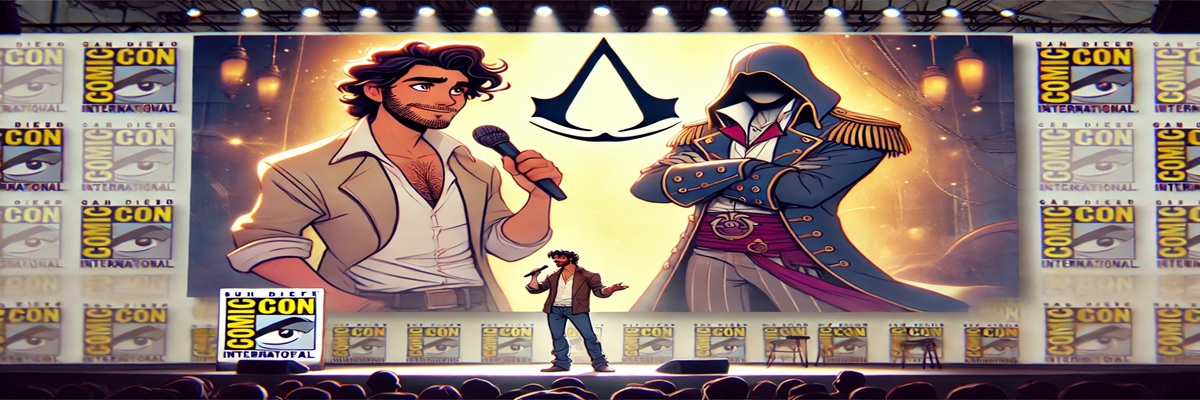
The world of voice acting rarely grabs headlines in the broader gaming community—until now. Matt Ryan, best known to fans as the voice of Edward Kenway from *Assassin’s Creed IV: Black Flag*, has found himself at the center of unexpected controversy. In a recent panel at GalaxyCon, Ryan revealed that he received legal threats from Ubisoft after teasing potential involvement in a remake of the iconic pirate-themed installment in the franchise.
The conflict began when Ryan was asked about the possibility of returning as Edward Kenway, a character beloved by fans for his gritty charm and complex narrative arc. Ryan offered a cryptic but hopeful answer, suggesting that fans might soon hear more of the swaggering Welsh privateer. This seemingly harmless tease, however, was met with swift backlash—not from critics or fans, but from Ubisoft itself.
Ubisoft’s Legal Threats Raise Eyebrows
According to Ryan, the company responded with legal threats warning him not to speak about the project. “I got in trouble last time I talked about this,” Ryan said during the panel, referencing an earlier moment when he had made a similar remark. While he didn’t elaborate on the specifics of the communication, the implication was clear: Ubisoft was displeased with any public mention of a potential remake.
The irony hasn’t been lost on fans and industry observers. After all, remakes and remasters are now standard fare in modern gaming, and rumors about a *Black Flag* revival have been circulating for months. Ubisoft has not officially confirmed a remake, but multiple reports—backed by industry insiders—suggest that the project is in early development.
Fallout Within the Voice Acting and Gaming Communities
Ryan’s remarks have reopened conversations about how game companies handle voice talent and public relations. Many fans feel that Ryan, who brought Edward Kenway to life with a memorable performance that helped *Black Flag* become one of the most acclaimed titles in the franchise, deserves more respect than a cease-and-desist. Others speculate that Ubisoft’s harsh response may be tied to internal marketing strategies or an effort to tightly control the narrative around upcoming releases.
What makes this situation particularly striking is its emotional dimension. Ryan has long been considered a fan-favorite, not just for his performance in *Assassin’s Creed*, but also for his work as Constantine in both live-action and animated adaptations. His dedication to the roles he plays, coupled with his approachable public persona, has made him a recurring figure at conventions and fan events. For many, his involvement in a possible remake was not just expected—it was hoped for.
NDAs and the Fine Line for Voice Actors
This incident has sparked broader discussions within the voice acting and gaming communities about the treatment of performers and the murky legal boundaries that often surround their contracts. While actors in film and television typically have union representation and established norms about disclosure and press engagement, video game voice talent frequently operates under stricter non-disclosure agreements (NDAs) with limited bargaining power.
Ryan’s vague comments—more fan service than formal announcement—appear to have crossed an invisible line, prompting Ubisoft to flex its legal muscle. The company has not issued a public statement regarding Ryan’s claims, and it’s unclear whether their response was a formal cease-and-desist or a more informal warning. Regardless, the optics of the situation have not played well with the fanbase, which sees the action as disproportionate and unnecessarily aggressive.
Edward Kenway’s Legacy and Fan Expectations
The situation also brings renewed scrutiny to how game studios manage legacy titles and the people who helped make them iconic. Edward Kenway is not just another character in the Assassin’s Creed pantheon; *Black Flag* remains a fan-favorite, often cited for its compelling narrative, lush Caribbean setting, and unique naval gameplay. Ryan’s performance was central to that experience. By sidelining him—at least publicly—Ubisoft may be misreading its audience’s loyalty and emotional attachment to both the character and the performer.
Fans Want Familiar Voices in Their Favorite Franchises
This tension touches on a broader trend in entertainment: the increasing importance of voice actors in maintaining fan continuity. In recent years, franchises from *Mass Effect* to *Final Fantasy* have come under fire for recasting beloved characters, often for vague “creative reasons” or cost-cutting measures. But fans are more vocal than ever, and many now expect studios to honor the original performances that made their favorite games memorable.
The Rise of Voice Actors as Public Figures
What’s also notable is the shift in how voice actors engage with their audiences. Thanks to platforms like GalaxyCon, social media, and podcasts, performers like Ryan are no longer anonymous voices behind the screen. They are public figures, brand ambassadors, and in some cases, guardians of a franchise’s emotional legacy. Silencing them—or punishing them for sharing enthusiasm—can come across as tone-deaf in an era when fan engagement is a core part of marketing strategy.
Tight-Lipped Policies vs. Creative Trust
Still, the legal dynamics are complex. Ubisoft, as the rights holder, has every interest in managing leaks and keeping future projects under wraps until a coordinated announcement. But this approach often places voice actors in a bind—especially when they’re frequently asked about upcoming roles by fans who assume they can speak freely. The result is a constant push-pull between marketing secrecy and fan expectation, one that can damage trust on both sides.
For now, Ryan has indicated he will no longer comment on anything related to *Black Flag*’s potential remake, citing the threat of legal consequences. His reluctance speaks volumes about the chilling effect such responses can have, not just on actors but on the broader spirit of creative collaboration.
Could This Impact Future Assassin’s Creed Performances?
The dust-up with Matt Ryan may have broader implications for Ubisoft and the future of the Assassin’s Creed franchise. With more remakes and reboots likely in the pipeline—including the heavily rumored *Assassin’s Creed Black Flag* remake—questions now swirl about how returning characters will be handled. Will original voice talent be brought back, or replaced for convenience? And if legacy actors are involved, will they be silenced until the last possible moment?
Ubisoft is known for keeping a tight grip on its intellectual properties and marketing campaigns. Still, this incident has brought unwanted attention at a time when the company is already navigating multiple high-profile projects and industry shifts. In an age where transparency and fan goodwill are more important than ever, suppressing a beloved actor’s enthusiasm risks alienating the very audience the remake hopes to attract.
Legal Overreach or Brand Protection?
Some defenders of Ubisoft’s stance argue that the company was simply protecting its brand and business strategy. Leaks—whether intentional or not—can derail reveal schedules, impact investor confidence, or lead to false expectations if the project changes course. But critics maintain that the company’s response to Ryan was heavy-handed and indicative of a deeper disconnect between developers and the performers who help bring their worlds to life.
Even if the remake is still in early development, Ryan’s comments would have likely only fueled fan excitement, not undermined the project. By threatening legal action, Ubisoft has shifted the spotlight from the potential of a *Black Flag* remake to its own internal politics—something no marketing team wants.
A Growing Call for Better Treatment of Voice Talent
This controversy joins a growing list of examples that highlight the need for better industry standards when it comes to voice actors in video games. From lack of residual payments to abrupt recasting and, now, gag orders, the treatment of performers is emerging as a frontline issue in game development labor conversations. SAG-AFTRA and other advocacy groups have been pushing for more equitable contracts and transparency, and high-profile cases like this only add urgency to the cause.
Matt Ryan’s situation has energized those who argue that voice actors deserve more recognition and respect—not just at the time of a game’s release, but throughout its lifecycle and legacy. Performances like his often live in players’ memories for years. The value they bring to a franchise is significant and shouldn’t be diminished by legal intimidation.
What’s Next for Matt Ryan and Edward Kenway?
While Ubisoft remains silent on the existence of a *Black Flag* remake, fan speculation will likely only grow. Whether Ryan is ultimately brought back or replaced, his performance as Edward Kenway has already secured its place in gaming history. The voice, the charm, the delivery—all became synonymous with the game’s tone and identity.
As for Ryan himself, he continues to be active on the convention circuit and in other projects. Though he now avoids commenting on *Assassin’s Creed*, the fan support he’s received following this incident has been loud and widespread. If nothing else, it has reaffirmed his significance to one of Ubisoft’s most beloved titles.
Voice Actors Deserve Better
The incident with Matt Ryan serves as a case study in how not to handle talent relations. It’s a reminder that the voices behind the characters aren’t just interchangeable sound bites—they’re part of the storytelling fabric, and their connection with fans matters. Silencing them not only disrespects the performer but disrupts the trust between a game studio and its audience.
As the gaming industry continues to evolve, studios would do well to rethink how they treat the voices that define their worlds. After all, a remake isn’t just about graphics and code—it’s about honoring the heart of what made the original great. And for *Assassin’s Creed IV: Black Flag*, Matt Ryan’s Edward Kenway was undeniably part of that heart.
